How a Growing Order Book and a New 250 MW Plant Show India's Green Hydrogen Push
BY ADMIN · 24 JUL 2026 · 6 MIN READ
A beginner-friendly, neutral breakdown of how a manufacturer's order book and factory capacity updates work in India's green hydrogen equipment industry — covering key terms, what the numbers mean, and what they don't, without any buy or sell recommendation.
Reviewed by Team Research Desk
Last Updated: July 2026
What Is This Update About?
An Indian manufacturer of green hydrogen equipment recently shared a business update covering three things : projects it says it has already executed, the launch of a large automated electrolyser manufacturing facility, and a growing order book alongside a pipeline of business enquiries. This piece breaks the update down into plain terms for a first-time reader, and separates what is confirmed from what is still evolving. It is a neutral explainer. It does not tell you to buy, avoid, or hold anything.
Update at a Glance
Item | Detail |
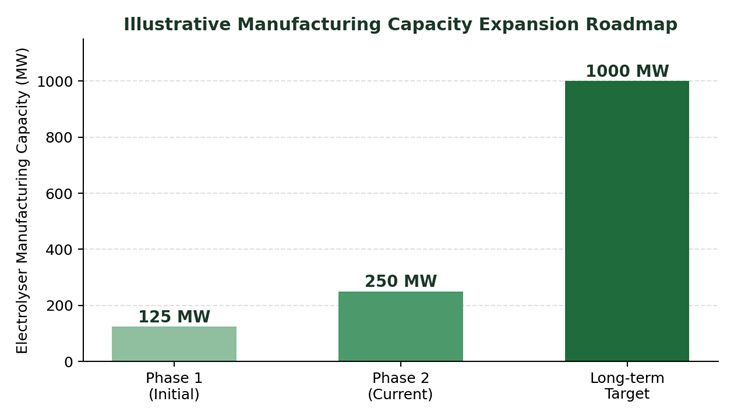
Manufacturing facility | Automated electrolyser plant with rated capacity of 250 MW per year |
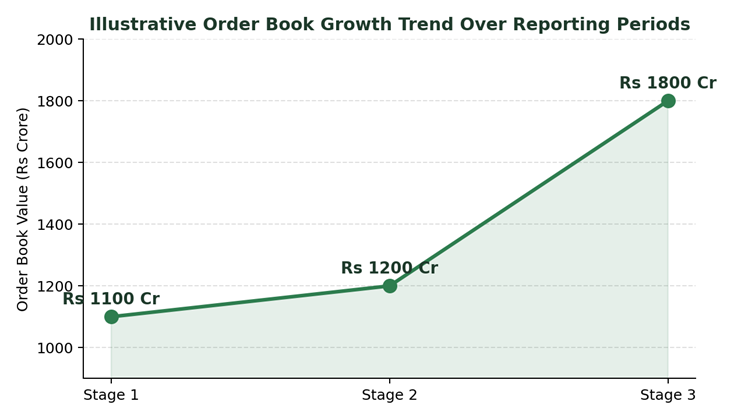
Order book | Approx. ₹1,800 crore in confirmed, signed contracts still to be delivered |
Business pipeline | Additional enquiries reported, at various stages of evaluation — not confirmed orders |
Sector context | Aligned with India's Green Hydrogen Mission and rising industrial demand for electrolysers |
Manufacturing Capacity: What the MW Figure Means
A 250 MW rated capacity describes the maximum yearly output of the factory that builds electrolysers — the machines used to split water into hydrogen using renewable electricity. A larger, automated plant can, in theory, produce more units at a steadier pace. But capacity is a ceiling, not a guarantee: it only turns into results if the plant runs at a healthy utilisation level backed by real orders.
Order Book: What It Shows and What It Doesn't
The order book — reported here at roughly ₹1,800 crore — is the value of signed, confirmed contracts still to be executed. It is a useful signal of near-term revenue visibility, but it is not the same as revenue already earned, and it says nothing on its own about margins, execution timelines, or delivery risk.
Key Terms Every Beginner Should Know
Term | What It Means |
Order Book | Total value of confirmed, signed contracts yet to be delivered. |
Manufacturing Capacity (MW) | Maximum yearly output a factory can produce, not what it is currently producing. |
Business Enquiries / Pipeline | Early-stage interest from potential customers, not yet a signed contract. |
Execution / Delivery | Actually building, installing, and commissioning the ordered equipment on time. |
The Bigger Industry Picture
This single update is also a small window into a larger trend. India's Green Hydrogen Mission is pushing for greater domestic manufacturing of electrolysers, reducing reliance on imported equipment. As industrial sectors such as steel, chemicals, fertilisers, and refining explore green hydrogen to cut emissions, demand for indigenous electrolysers and related engineering services is expected to grow — a trend that touches the wider equipment and services value chain, not just one company.
Frequently Asked Questions
Q: Does a large order book mean the company has already earned that money?
A: No. An order book represents confirmed contracts still to be executed, not revenue already booked. Execution happens over the following months or years.
Q: Is a 250 MW manufacturing plant the same as 250 MW of confirmed sales?
A: No. Manufacturing capacity is the maximum possible output of the factory. Actual results depend on how much of that capacity is used to fulfil real, paid orders.
Q: Are "business enquiries" the same as orders?
A: No. Enquiries are early-stage discussions that may or may not convert into signed contracts. They indicate interest, not confirmed demand.
Q: Does this article recommend buying shares in any green hydrogen company?
A: No. This is a neutral, educational explainer of terms and concepts. It does not recommend subscribing to, buying, holding, or avoiding any security.
Disclaimer:
This is written for educational and informational purposes only. Nothing here constitutes investment advice or a recommendation to buy or sell securities. All data is sourced from publicly available information. Investments in securities markets are subject to market risks — please read all offer documents carefully before investing.