Applying for an IPO via ASBA: guide for unlisted shares
· 6 min read · Written by the BuyUnlistedShares desk. Information only, not investment advice.
Applying for an IPO through the ASBA facility lets investors block funds in their bank account while awaiting allotment, even if the company’s shares are not yet listed. This guide walks through the process, documents needed, timelines and DP instructions specific to pre‑IPO applications.
Applying for an IPO through the ASBA (Application Supported by Blocked Amount) facility lets investors block funds in their bank account while awaiting allotment, even if the company’s shares are not yet listed. This guide walks through the process, documents needed, timelines and DP instructions specific to pre‑IPO applications.
What is ASBA and how it works for an IPO?
ASBA is a mechanism introduced by SEBI where the application money is blocked in the investor’s bank account instead of being transferred to the issuer. The funds remain in the account and earn interest until the allotment is finalised. If shares are allotted, the blocked amount is debited; if not, the block is released. This process applies irrespective of whether the company’s shares are currently listed or still unlisted, because the IPO itself is a fresh issue that will result in listing after allotment.
Eligibility and prerequisites for applying via ASBA
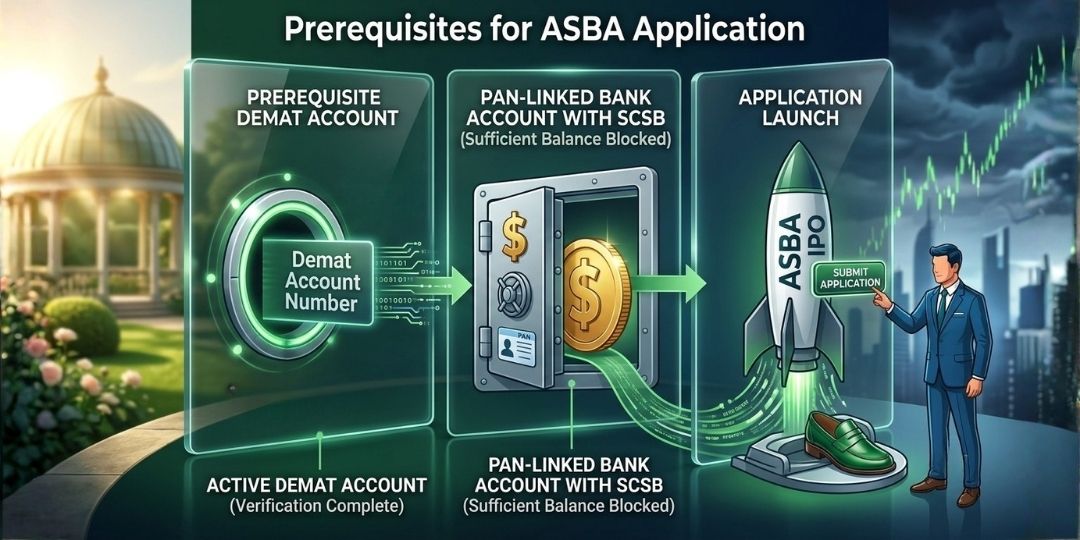
To use ASBA for an IPO you need :
- A demat account with a registered depository participant (DP).
- A savings or current account with a bank that offers the ASBA facility (most scheduled banks do).
- A PAN linked to both the bank and demat accounts.
- Sufficient balance in the bank account to cover the application amount (the amount will be blocked, not withdrawn).
There is no minimum holding requirement for unlisted shares; the eligibility is based on the IPO’s retail investor category as defined in the prospectus.
Documents you need to keep ready
- PAN card copy (self‑attested).
- Address proof (Aadhaar, passport, utility bill) if required by the bank for KYC verification.
- Demat account details : DP ID, Client ID, and the name of the DP.
- Bank account details : Account number, IFSC code, and the branch where you hold the account.
- A cancelled cheque or bank statement showing the account details (some banks ask for this during ASBA registration).
Keep scanned copies handy if you are applying online; for physical applications, attach self‑attested copies.
Step‑by‑step process to apply through ASBA
- Obtain the IPO prospectus: Download the Red Herring Prospectus (RHP) from the SEBI website, the issuer’s site, or your broker’s portal. Review the issue size, price band, lot size, and allotment policy.
- Log in to your bank’s ASBA portal: Most banks provide an online ASBA option under the ‘IPO’ or ‘Applications’ section. Alternatively, you can fill a physical ASBA form available at the bank branch or through your DP.
- Fill in the application details : Select the IPO from the list.
- Enter the number of lots you wish to apply for (must be in multiples of the lot size).
- Provide your demat account (DP ID and Client ID) where you want the shares credited.
- Specify the bank account where the amount will be blocked.
- Confirm the application amount (number of lots × price per share × lot size).
- Authorise the block: After reviewing the details, submit the application. The bank will place a lien (block) on the specified amount in your account. You will receive an acknowledgement with an application number.
- Wait for the allotment date: The issuer announces the allotment date after the bidding period closes. During this period, the blocked amount remains in your account and continues to earn interest.
- Allotment outcome : If allotted, the blocked amount is debited and the shares are credited to your demat account on the allotment date.
- If not allotted or partially allotted, the blocked amount (or the unallotted portion) is released, usually within a few working days after the allotment date.
- Post‑allotment: Once shares are in your demat account, you can hold them until listing or sell them in the grey market if you wish, subject to the risks involved.
Timeline : From application to allotment and listing
While exact dates vary by issue, a typical timeline looks like this:
- Bidding period : Usually 3‑5 working days (as per the RHP). You can apply any time during this window via ASBA.
- Allotment date : Announced within 2‑3 working days after the bidding period closes.
- Block release/debit : For non‑allotted applicants, the block is released within 4‑6 working days after allotment. For allotted applicants, the debit happens on the allotment date.
- Listing date : The shares are listed on the stock exchanges typically within 6‑10 working days after allotment, as disclosed in the RHP.
Note that the timeline can shift if there are technical issues, regulatory clarifications, or a revision in the issue size.
Important points and risks to consider
- No guarantee of allotment : Applying via ASBA does not ensure you will receive shares ; allotment depends on demand and the basis of allocation.
- Liquidity risk before listing: While your funds are blocked, you cannot use that amount for other purposes. After allotment, if you intend to sell before listing, you would be dealing in the grey market, which is unofficial and carries counterparty and price‑discovery risk.
- Valuation uncertainty: The price band in the RHP is indicative; the final issue price may differ, affecting your effective cost.
- Regulatory risk: Any change in SEBI guidelines or the issuer’s eligibility can impact the IPO timeline or even lead to withdrawal.
- Interest on blocked amount: The blocked amount continues to earn interest at your bank’s savings rate, which is credited to your account after the block is released.
Frequently Asked Questions
Question : Can I apply for an IPO via ASBA if I do not yet have a demat account?
Answer : No. A valid demat account is mandatory because the allotted shares need to be credited electronically. You must open a demat account with a DP before submitting the ASBA application.
Question : Is there any charge for using the ASBA facility?
Answer : Banks typically do not charge a fee for blocking funds under ASBA. However, standard account maintenance charges or transaction fees applicable to your bank account may still apply.
Question : What happens if I apply for more lots than I can afford?
Answer : The application will be rejected if the bank finds insufficient balance to block the required amount. Ensure your account has enough funds to cover the total application value before submitting.
Question : Can I modify or cancel my ASBA application after submission?
Answer : Most banks allow modification or cancellation of an ASBA application before the bidding period closes. After the period ends, the application is locked and cannot be altered.
Question : How will I know if my IPO application was successful?
Answer : You will receive an allotment advice from the registrar (usually via email or SMS) indicating the number of shares allotted. The same information is also available on the registrar’s website using your application number.
Question : Is the ASBA process different for retail versus institutional investors?
Answer : The core mechanism of blocking funds is the same. However, retail investors apply under the retail category with a specific reservation, while institutional investors (QIBs, NIIs) use separate bidding windows and may follow different payment procedures.
Question : What should I do if the IPO is withdrawn after I have applied via ASBA?
Answer : If the issuer withdraws the IPO, the blocked amount is released back to your account, typically within a few working days of the withdrawal announcement. You will receive a confirmation from your bank.
Information only, not investment advice. Unlisted and pre-IPO securities carry liquidity, valuation and listing-timing risk; read the offer document and consult a SEBI-registered investment adviser for advice specific to your situation.